



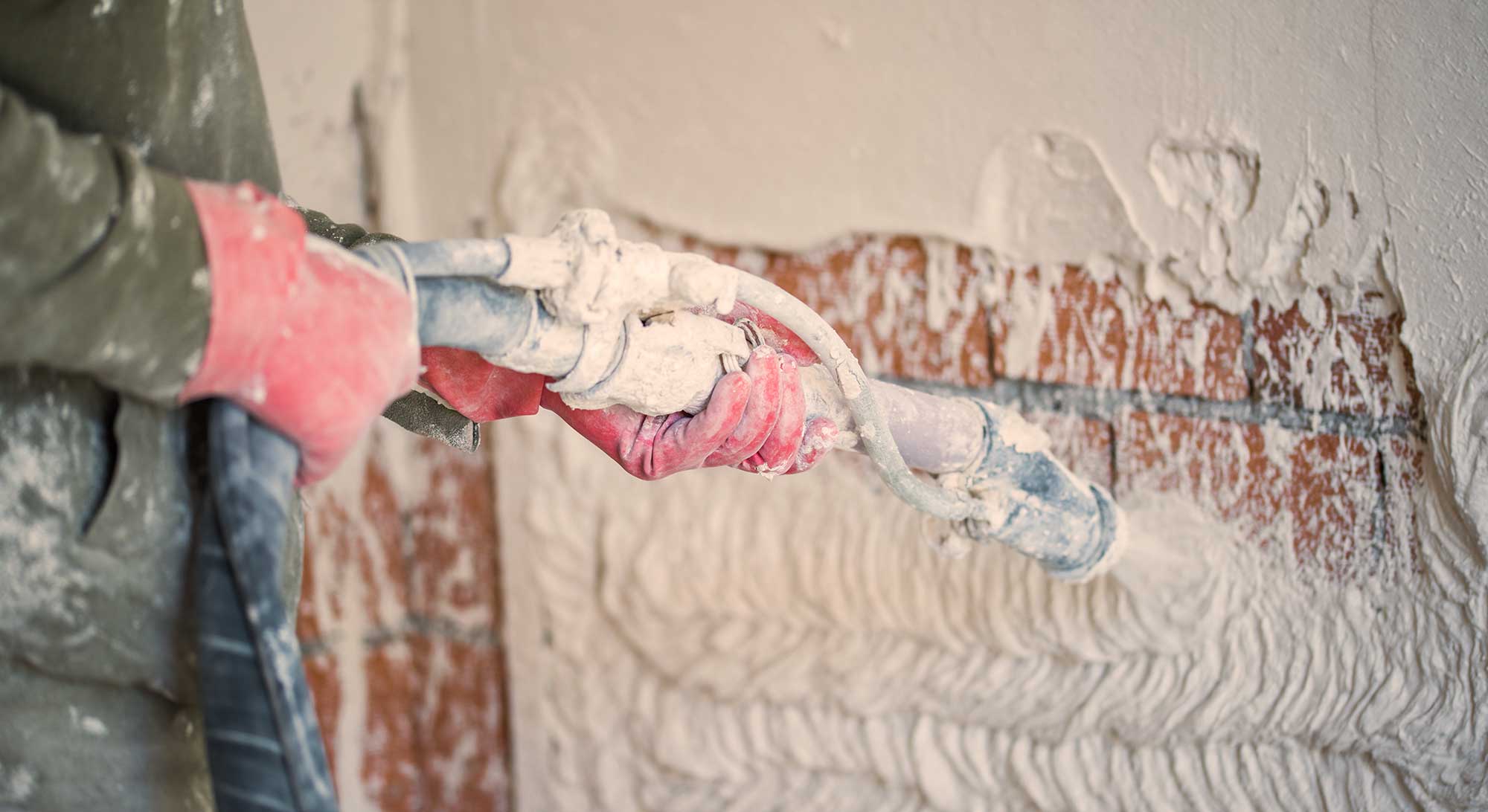
Choosing the right plaster for your home is crucial. Not all plasters are the same. For homeowners in Cheltenham or across Gloucestershire and the Cotswolds, understanding the differences between lime plaster and gypsum plaster can save money, time, and future repairs.
Both options have their place. The key is knowing your property, your goals, and the environmental conditions. This guide will help you make the best choice.
What Is Lime Plaster?
Lime plaster is made from natural lime, sand, and water. It has been used in heritage buildings for centuries. Its strength comes from flexibility, breathability, and compatibility with older materials.
Lime plaster:
- Absorbs and releases moisture
- Reduces damp and mould risk
- Adapts to minor structural movement
- Works with solid brick or stone walls
You can learn more about its benefits in our guide Lime Plastering for Domestic Buildings.
What Is Gypsum Plaster?
Gypsum plaster, or plaster of Paris, is a modern material. It sets quickly and produces a smooth finish.
Gypsum plaster:
- Dries fast, often within hours
- Provides a smooth surface ready for paint
- Ideal for new builds with stud walls
- Less flexible than lime
While convenient, gypsum plaster isn’t breathable. It can trap moisture, especially on older walls or solid masonry.
When to Choose Lime Plaster
Lime plaster is ideal if:
- You own a period or heritage property – Many Cheltenham homes were originally built with lime. Using gypsum can cause cracks and trapped moisture.
- Breathable walls are needed – Lime allows your walls to “breathe,” which helps prevent damp and mould.
- Longevity matters – Properly applied lime plaster can last over 100 years.
- Eco-friendly choices are important – Lime has low carbon emissions and can reabsorb CO₂ over time.
For expert application, we provide lime plastering services in Cheltenham and Gloucestershire.
When to Choose Gypsum Plaster
Gypsum plaster is suitable if:
- You need a fast, smooth finish – Gypsum sets quickly, perfect for modern renovations.
- The building is new or framed – Stud walls, dry-lined walls, and interior partitions work well with gypsum.
- You want simple decorating – Gypsum’s smooth surface is ready for modern paint or wallpaper.
For blended approaches, modern plastering services often combine gypsum with lime on different areas. Learn more about modern plastering techniques.
When to Choose Lime Over Gypsum: Key Considerations
- Wall type: Solid walls usually need lime. Drylined or stud walls can use gypsum.
- Moisture: Damp or uninsulated walls benefit from lime plaster.
- Aesthetic: Lime offers a subtle texture; gypsum is smooth and uniform.
- Sustainability: Lime is eco-friendly and natural. Gypsum has higher energy use in production.
Working With Professionals
Applying lime plaster requires experience. It sets slowly, needs proper curing, and works best with traditional tools. Gypsum plaster is faster but still benefits from skilled application for a perfect finish.
For Cheltenham homeowners, our team delivers expert lime and modern plastering services. We ensure compatibility with your building, whether it’s a heritage home or a new eco-friendly property.
You can view our location and arrange a consultation via Google Maps or request a free quote on our contact page.
FAQ: When to Choose Lime Over Gypsum
1. Can gypsum plaster be applied over lime plaster?
It’s not recommended. Gypsum can trap moisture in lime walls and cause cracks. Always consult a plastering expert before combining materials.
2. How long does lime plaster take to dry?
Depending on thickness and humidity, lime plaster can take 2–4 weeks to cure fully before painting.
3. Is lime plaster more expensive than gypsum?
Lime plaster has a higher initial cost due to labor and materials. But its durability and environmental benefits make it cost-effective long-term.
4. Can lime plaster be used in bathrooms and kitchens?
Yes, with proper ventilation. Hydraulic lime plasters handle damp conditions better and maintain breathability. Learn more: Can Lime Plaster Be Used in Bathrooms and Kitchens?