



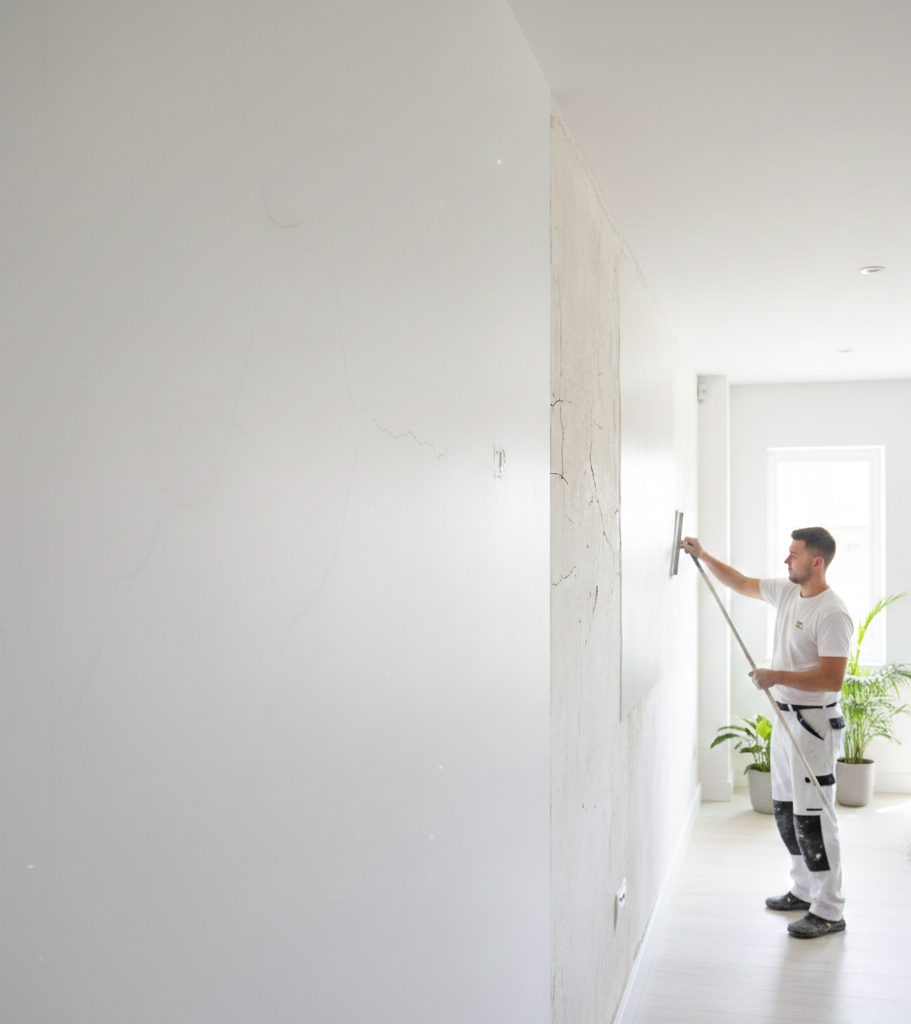
When it comes to finishing walls and ceilings, British Gypsum Multi Finish is the industry standard for both residential renovations and commercial fit-outs. Its ability to provide a smooth, high-quality skim coat on a variety of substrates, from plasterboard to undercoat plasters, makes it the go-to choice for achieving a seamless surface. However, for many property owners in the Cotswolds, the primary concern is the material’s longevity: how long does multi finish plaster actually last?
In a stable, dry environment, a professionally applied skimming coat can remain resilient for 30 to 40 years. Understanding this lifespan is essential for planning long-term maintenance and ensuring the structural integrity of your interior finishes. When applied with correct suction control and bonded properly to the substrate, it provides a durable, crack-resistant surface that adds significant value to both modern new builds and period property refurbishments.
Factors such as background preparation, environmental humidity, and the use of bonding agents like ThistleBond-it play a critical role in how well the plaster stands the test of time. This guide breaks down the mechanical factors that influence durability, helping you ensure your walls stay flawless for decades.
What Is Multi Finish Plaster?
It is a specialized interior plaster designed to provide a strong, smooth finish ready for painting or wallpapering. Unlike traditional plaster, it typically combines multiple layers to ensure strength, flexibility, and a flawless surface.
Its versatility makes it suitable for a variety of settings, from modern homes to commercial interiors. While it excels in creating smooth surfaces, its longevity depends on factors such as material quality, application technique, and environmental conditions. For expert guidance on modern plastering techniques and finishes, see our Modern Plastering Services.
Factors That Determine the Lifespan of Multi Finish Plaster
Several factors influence how long this plaster will last:
1. Quality of Materials
High-quality plaster mixes tend to last longer, offering better adhesion, fewer cracks, and increased resistance to wear over time. Investing in premium multi finish plaster ensures that walls and ceilings maintain their smooth appearance and structural integrity for decades. Learn more about Modern Plastering Techniques to select the right materials for longevity.
2. Application Technique
Even the highest-quality plaster will fail if applied incorrectly. Skilled plasterers follow precise steps to ensure proper curing, consistent thickness, and strong adhesion. Multi-layer application improves strength, contributing to a longer lifespan. Explore our Plastering Services for professional plaster applications.
3. Environmental Factors
Humidity, temperature fluctuations, and moisture exposure can significantly affect plaster longevity. Areas with damp conditions may require protective coatings or ventilation improvements. For properties where moisture control is essential, Lime Plastering Solutions provide breathability and natural moisture regulation, reducing the risk of flaking and staining.
Average Lifespan of Multi Finish Plaster
When applied correctly and maintained well, multi finish plaster can last 15–25 years or more. Homes with controlled temperature and humidity typically experience less cracking or surface damage.
Key factors affecting longevity include:
-
Thickness of the plaster layers – thicker layers can provide extra durability.
-
Quality of finishing coats – premium finishing coats help prevent surface defects.
-
Type of paint or wallpaper applied – using compatible paints ensures adhesion and protection.
Even minor wear, such as hairline cracks, can be addressed with maintenance to significantly extend the life of the plaster. Regular repainting every 5–7 years helps maintain both the aesthetic appeal and protective properties. For advice on repair and maintenance, see Top 5 DIY Plaster Repair Mistakes.
Signs Your Multi Finish Plaster Needs Repair
Although durable, It is not invincible. Recognizing early signs of wear can prevent more extensive damage:
-
Hairline cracks: Usually caused by natural settling or minor structural shifts.
-
Flaking or peeling: Often results from dampness, poor surface preparation, or incompatible paint.
-
Discoloration: Moisture penetration can cause stains or uneven coloring.
-
Surface softening: Indicates water damage or improper curing.
Prompt repair ensures long-term durability and aesthetic integrity. Professional plasterers can restore surfaces efficiently, maintaining smoothness and longevity. Learn about professional repair methods at Common Plastering Problems.
Tips to Extend the Life of Multi Finish Plaster
Proper care can help it remain durable for decades. Here are some practical tips:
-
Maintain consistent indoor climate – Avoid extreme humidity fluctuations.
-
Use protective coatings – High-quality paints or sealants prevent moisture penetration.
-
Prevent heavy impacts – Avoid knocks and bumps that can chip plaster.
-
Regular inspections – Detect hairline cracks or small surface issues early.
-
Professional touch-ups – Re-plastering small areas professionally can extend overall lifespan.
Multi Finish Plaster vs. Other Plaster Types
Comparing multi finish plaster with alternatives highlights its advantages and specific applications:
| Plaster Type | Key Benefits | Average Lifespan | Ideal Use |
|---|---|---|---|
| Multi Finish Plaster | Smooth finish, durable, versatile | 15–25 years | Interior walls and ceilings |
| Lime Plaster | Breathable, flexible, sustainable | 50+ years | Historic and heritage properties |
| Cement Plaster | Strong, impact-resistant | 20–30 years | External surfaces and high-traffic areas |
Selecting the right plaster depends on your building’s needs. For historic or heritage properties, lime plastering is recommended to preserve authenticity while ensuring durability. Discover more at Lime Plaster vs Gypsum Plaster.
Closing Thoughts:
Multi finish plaster is a reliable, long-lasting solution for interior walls and ceilings when applied and maintained properly. Its smooth, versatile finish makes it suitable for modern homes, offices, and commercial properties.
By using high-quality materials, hiring skilled plasterers, and monitoring environmental factors, you can enjoy flawless, durable walls for decades. Whether considering a new build or renovation, professional application and maintenance are crucial for maximizing lifespan and appearance. Connect with our team via the Contact Us to discuss your plastering project today.
FAQ:
Q1: How long does multi finish plaster last on ceilings?
A: Ceilings generally face less wear and tear, so It can last up to 25 years with proper application.
Q2: Can moisture shorten the lifespan of multi finish plaster?
A: Yes, high humidity or leaks can cause flaking, cracks, or discoloration. Protective coatings and proper ventilation help prevent damage.
Q3: How can I maintain multi finish plaster?
A: Repainting every few years, avoiding impacts, and promptly repairing small cracks keeps plaster in top condition.
Q4: Is this plaster suitable for all wall types?
A: It works best on smooth, dry surfaces. For heritage buildings, lime plaster may be more suitable.
Q5: Can damaged plaster be repaired without re-plastering the whole wall?
A: Yes, small areas can be repaired by professional plasterers without affecting the entire surface.