



Homeowners across Cheltenham are becoming more aware of sustainability. From energy-efficient heating to recycled materials, the demand for greener living spaces continues to grow. Yet one traditional material quietly outperforms many modern alternatives, lime plaster. At Heritage Plastering, we’ve seen how lime plastering transforms old and new homes in Cheltenham, Gloucestershire, and the Cotswolds. It’s natural, breathable, and long-lasting, the perfect match for anyone building or restoring an eco-friendly homes.
What Makes Lime Plastering Sustainable?
Lime plastering is one of the oldest and most environmentally responsible wall finishes. Its sustainability starts with how it’s made. Unlike cement or gypsum, lime is produced at much lower temperatures, which means far less carbon output. Even better, once applied, lime naturally reabsorbs CO₂ from the atmosphere as it cures — effectively offsetting much of its own carbon footprint.
This carbon cycle makes lime plaster a rare example of a low-impact construction material that improves indoor air quality and protects your property over time.
For homeowners in Cheltenham looking to reduce their environmental impact without sacrificing style or performance, lime plastering is an excellent choice.
Breathability and Moisture Control
One of lime’s greatest advantages is its breathability. Modern plasters and paints often trap moisture within walls, leading to damp, mould, and structural decay. Lime plaster works differently: it allows moisture vapour to pass through, regulating humidity naturally.
This makes it ideal for period homes in Cheltenham where solid stone or brick walls need to “breathe.” But it’s just as effective in modern eco-builds using natural insulation and vapour-permeable materials.
To complement this, we often recommend breathable paint for lime plaster to ensure the entire wall system remains open and moisture-balanced.
Long-Term Durability and Lower Waste
Eco-friendly construction is about longevity. Lime plaster can last for generations when properly maintained. It doesn’t crack or delaminate like gypsum, and its natural flexibility adapts to movement in older buildings.
This means fewer repairs, less material waste, and lower maintenance costs. In short, lime plastering offers a sustainable return on investment for Cheltenham homeowners who want both durability and eco-performance.
Learn more about the lime plastering process and how our team ensures perfect application every time.
A Natural Look for Modern Eco Homes
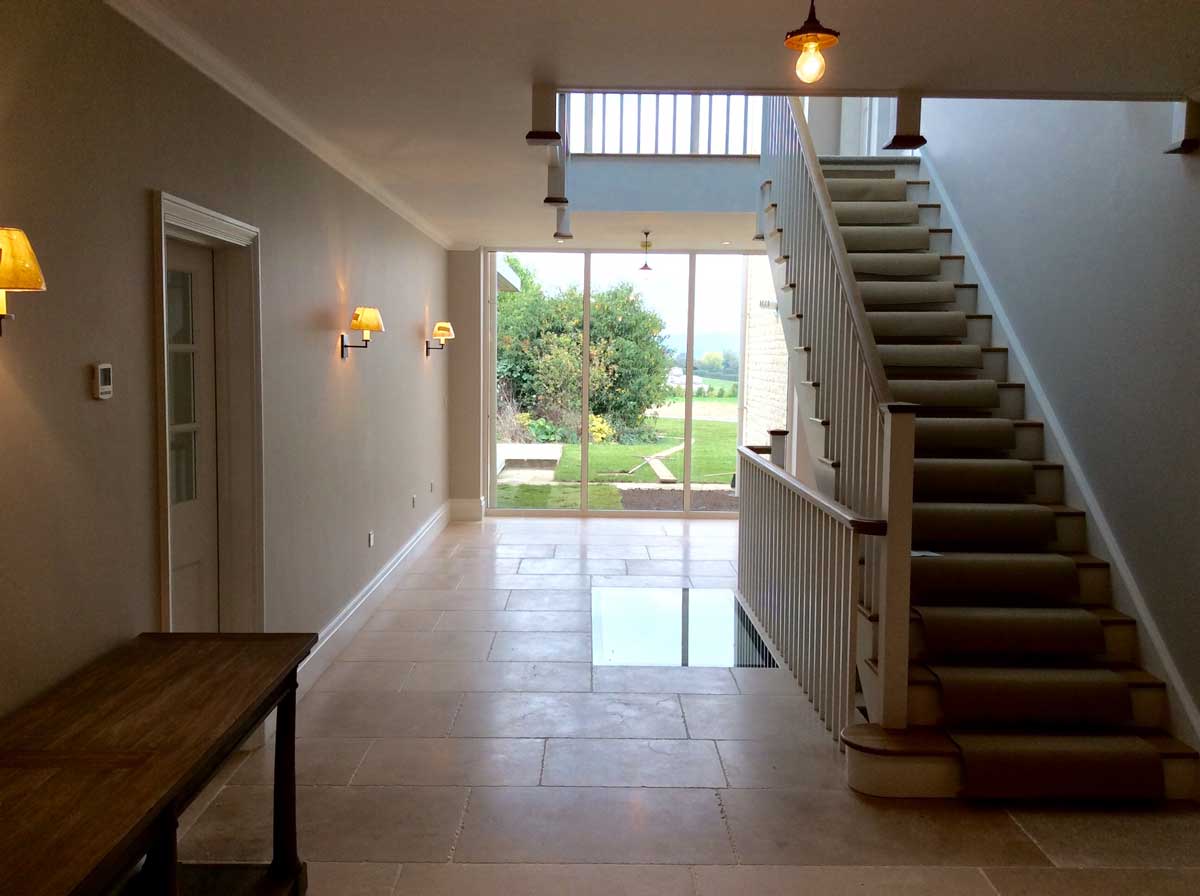
Sustainability doesn’t mean compromising on aesthetics. Lime plaster produces a soft, matte finish that complements both heritage and contemporary interiors. Its subtle texture brings warmth and depth that synthetic finishes can’t match.
Whether you’re restoring a Georgian townhouse or designing a new eco-home near Pittville, Charlton Kings, or the Cotswolds, lime plaster adds authentic character while aligning perfectly with your sustainability goals.
You can see examples of our work on our lime plastering in Cheltenham page.
Thermal Efficiency and Comfort
Lime plaster contributes to a more comfortable indoor environment. Its porous structure helps balance temperature and humidity, reducing condensation and promoting healthier air quality.
When used alongside lime render and breathable insulation, it enhances thermal performance, a key factor for eco-conscious homeowners trying to cut heating bills and energy use.
Many clients in Cheltenham pair lime plaster with traditional insulation materials like cork or hemp, achieving excellent comfort and efficiency without harmful synthetic chemicals.
Supporting Local, Sustainable Craftsmanship
Choosing lime plastering in Gloucestershire also supports skilled local tradespeople who use sustainable, time-tested techniques. Our team uses high-quality, locally sourced lime mixes wherever possible, minimising transport emissions and preserving regional heritage.
We work closely with homeowners, architects, and conservation officers to ensure each project meets both environmental and aesthetic standards. If you’re planning a renovation or new build in Cheltenham, contact us for expert advice and a no-obligation quote via our contact page or find us easily on Google Maps.
Why Lime Plastering Beats Modern Alternatives
| Property | Lime Plaster | Cement/Gypsum |
| Breathability | Excellent | None |
| CO₂ Emissions | Low | High |
| Flexibility | Natural and adaptive | Rigid |
| Lifespan | 100+ years | 20–30 years |
| Aesthetic | Natural matte | Flat, synthetic |
| Eco Impact | Carbon-absorbing | Carbon-producing |
For anyone prioritising sustainable plaster materials in the UK, lime is the clear winner. It’s renewable, repairable, and compatible with both old and new wall systems.
FAQ: Lime Plastering for Eco-Friendly Homes in Cheltenham
Is lime plastering suitable for new eco homes?
Yes. Lime plaster performs exceptionally well in both modern eco-homes and traditional buildings, especially when paired with natural insulation and breathable materials.
Does lime plaster reduce indoor humidity?
Lime plaster regulates moisture by absorbing and releasing vapour naturally, creating a balanced indoor environment without mechanical ventilation.
How often does lime plaster need maintenance?
With proper application, lime plaster can last for decades. Periodic inspection and reapplication of limewash every few years keep it looking fresh and protected.
Is lime plaster more expensive than modern plaster?
The initial cost can be slightly higher, but its longevity and environmental benefits make it far more cost-effective over time.
Can lime plaster improve my home’s EPC rating?
Indirectly, yes. By improving moisture control and indoor air quality, it contributes to better thermal efficiency and reduced energy use.