



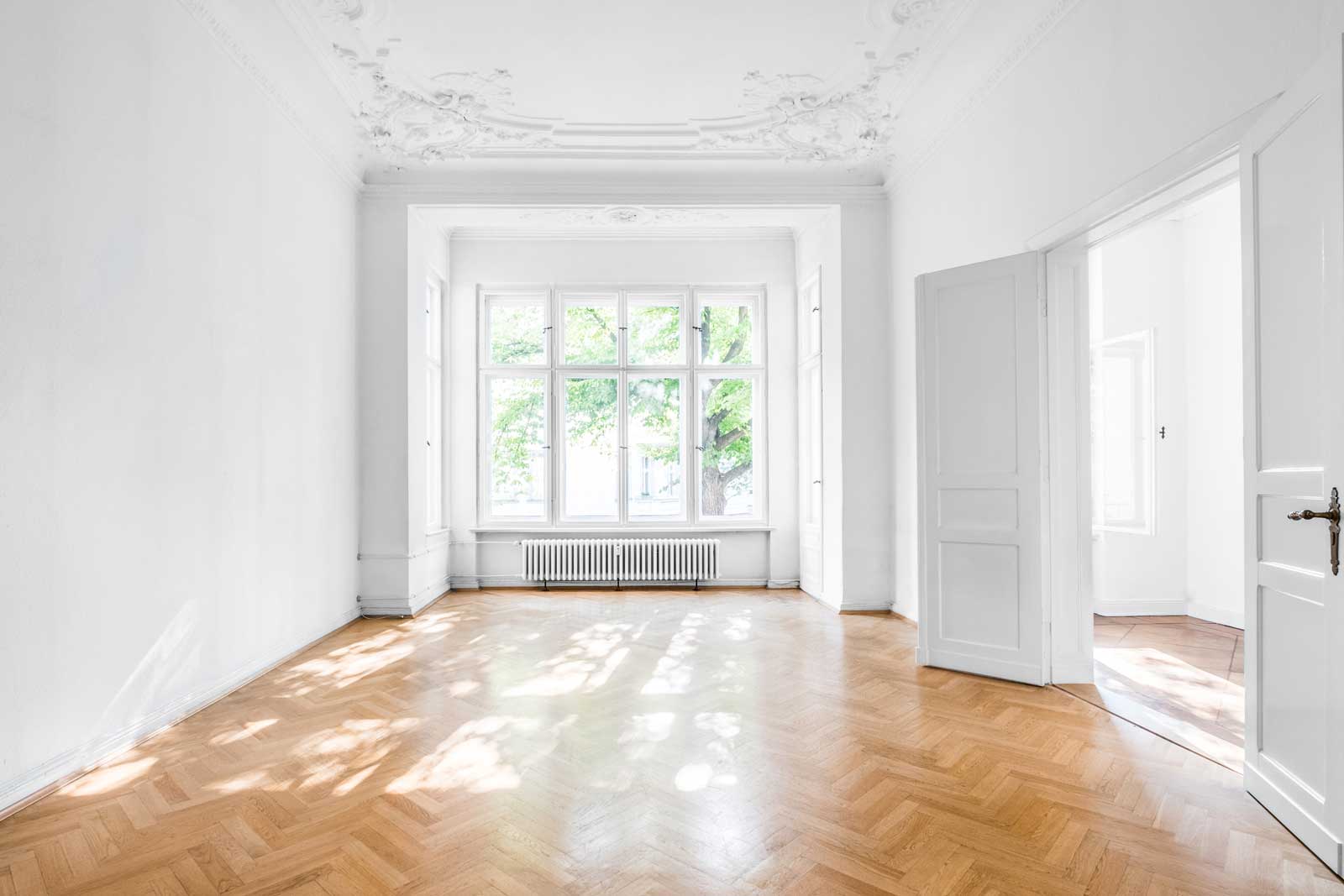
Plastering Costs & Specialist Rates UK (2026 Guide)
Understanding the cost of plastering services is essential for homeowners, builders, and property renovators planning a project. Plastering involves technical preparation, specific material selection, and skilled application. Total project pricing varies significantly based on several mechanical factors, including the substrate condition, material type, and labor requirements.
Whether refreshing a single room or renovating a historic property, several key elements influence the final budget:
-
Material Specification: Traditional lime plasters and Natural Hydraulic Lime (NHL) renders carry different material costs compared to modern gypsum or polymer-modified finishes.
-
Surface Preparation: Walls that are uneven, damp, or structurally damaged require additional labor hours for stabilization and “float and set” stages.
-
Project Complexity: Decorative moldings, high ceilings, and intricate architectural details increase the precision required during application.
-
Labor Rates: Professional rates reflect the technical proficiency needed for specific finishes, such as traditional lathing or modern thin-coat renders.
Heritage Plastering integrates traditional craftsmanship with contemporary systems to ensure projects are executed to professional standards. By analyzing the specific variables that influence the cost of plastering services, you can plan effectively and avoid budget overruns. Accurate material assessment and surface evaluation lead to resilient, high-quality finishes that maintain the structural integrity of the property.
2026 Plastering Rates Per m² & Specialist Services
The final investment required for your project depends directly on the style of plaster specified. While standard gypsum skimming provides an affordable baseline for modern plasterboard, specialized heritage materials and high-end luxury finishes require distinct material prices and expert application techniques.
Plastering Service & Material Price Breakdown
| Plastering Service Type | Estimated Cost (per m2) | Primary Application |
| Traditional Lime Plastering | £60 – £120+ | Historic properties, breathable solid walls |
| Lath & Plaster Companies Cost | £80 – £150+ | Period ceilings and traditional timber framing |
| Clay Plaster Cost | £70 – £110 | Eco-friendly, breathable natural finishes |
| Polished / Venetian Plaster Cost | £100 – £200+ | Luxury decorative feature walls |
| Modern Gypsum Skimming | £15 – £30 | Standard modern plasterboard surfaces |
Note: These ranges serve as an industry benchmark. It is impossible to give an exact, binding price without evaluating the specific substrate state firsthand during an on-site survey.
Estimated Cost to Plaster a Room
When budgeting by the size of the area, the larger the total surface square meterage, the higher the overall project cost. For standard modern gypsum plastering, a small room measuring roughly 3m x 3m averages between £400 and £900, whereas a large room spanning 5m x 5m or more will typically start at £1,000.
Ceilings generally command a premium due to the added physical difficulty of working overhead. Standard ceiling plastering averages £30 to £60 per square meter. However, if you are looking to fully restore structural lath and plaster ceilings or require a full-room application using traditional lime, costs reflect the multi-coat drying timelines and typically range from £1,500 to £3,500 per room depending on complexity.
Substrate Condition & Surface Preparation
Plastering over clean, smooth, modern walls is relatively fast and highly economical. If your walls suffer from deep settlement cracks, dampness, or old, blown plaster layers, extensive preparation work must be completed before any fresh coats can be applied.
Minor repairs, such as raking out and filling small cracks or sanding down minor uneven patches, generally add an extra £50 to £150 to a quotation. Major structural preparation, including stripping away failed previous materials, installing mesh stabilization, and addressing active damp issues, can easily cost upward of £200 before the actual plastering stages commence. For older, solid-wall heritage properties, using breathable lime plaster is essential during these repair stages to permit moisture transfer and prevent permanent structural decay.
Plasterer Day Rates & Regional Variables
Plastering remains a highly skilled, physical trade. Hiring experienced specialists ensures a flawless, durable finish that won’t crack or de-bond. Labor rates naturally fluctuate based on your location and the specific technical expertise required for the job.
Across Cheltenham, Gloucestershire, and neighboring areas like Bath, the average plasterer day rate for standard modern skimming ranges from £150 to £300 per day. For heritage projects involving traditional lime matching, timber lathing, or bespoke architectural cornices, specialist day rates reflect the strict technical training required and typically range from £250 to £350+ per day.
Decorative Finishes & Ornate Features
Bespoke architectural details and highly polished artisan walls require extensive installation timelines and premium material formulations. Adding ornate cornices or matching historical ceiling roses generally adds £20 to £50 per linear meter to your project scope. If you are specifying high-end decorative finishes, the average venetian plastering cost starts at £100 per square meter and can scale upward depending on the multi-layered polished effects, textures, and protective waxes chosen.
How to Budget for Your Plastering Project
1. Secure a Detailed Itemized Quotation
Before hiring a contractor, always request a fully transparent, written quotation. A professional plastering quote should clearly break down the total cost of materials, explicit labor charges, required scaffolding or site protection, and an accurate estimated completion time. Avoid vague estimates, as transparent itemization ensures there are no unexpected financial surprises mid-project.
2. Factor in Underlying Repair Contingencies
If you are working on an older property with visible cracks, salt damage, or hollow-sounding walls, always set aside a contingency budget for preparatory repairs. Attempting to skip or skim over structural defects to save money upfront will inevitably result in the new plaster cracking and failing, leading to expensive future rework.
3. Choose the Right Plastering Specialist
Plastering is a permanent investment in your property’s value and visual appeal. Choosing a rushed, cut-price service frequently leads to visible trowel marks, unlevel walls, and rapid shrinkage cracking. Partnering with a dedicated specialist ensures your property is treated with the appropriate material compounds and traditional care it needs to endure for decades.
If you are planning a renovation, require historic patch repairs, or need an accurate quote for specialist lime plastering across Cheltenham, Gloucestershire, or Bath, our team is here to guide you. Contact Heritage Plastering today for expert advice and to arrange a comprehensive project assessment.