



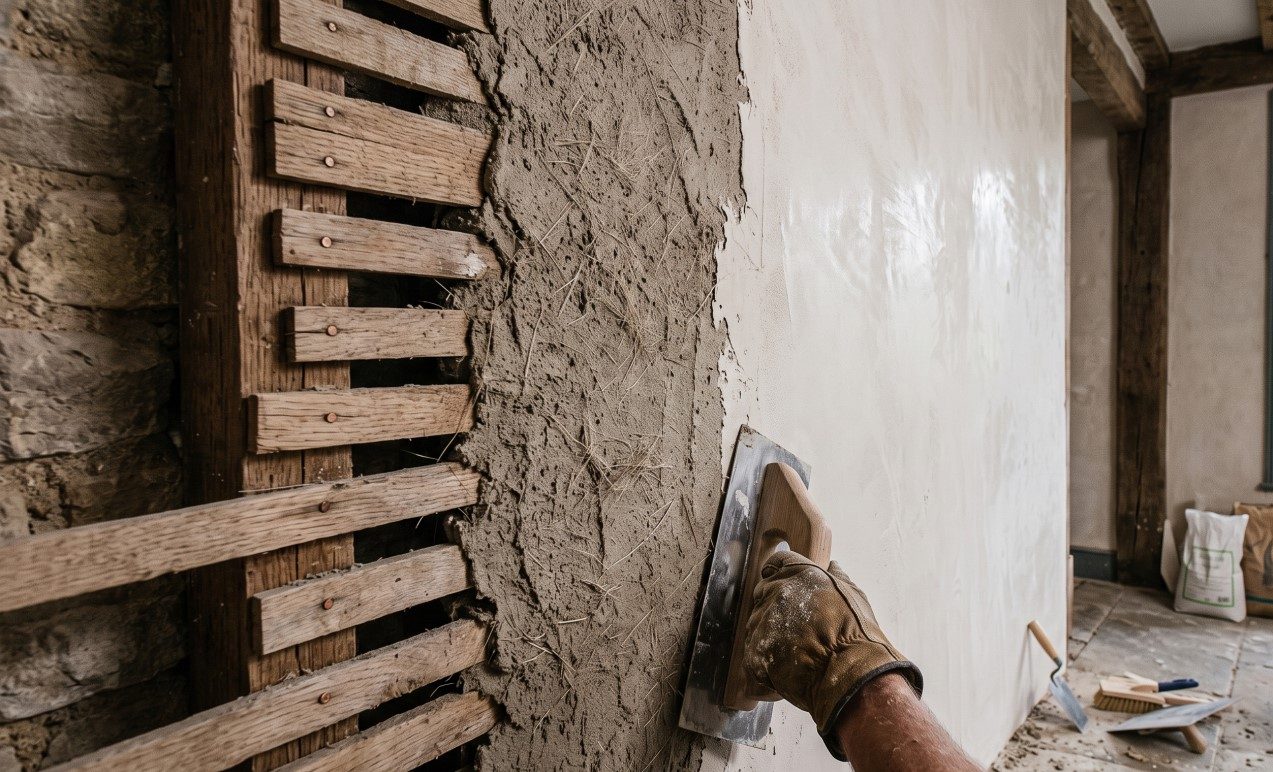
Property owners can legally repair original lime surfaces on a like-for-like basis using matching traditional materials without prior approval. However, stripping historic surfaces, replacing timber laths, or introducing modern gypsum plasters requires explicit Listed Building Consent from Cheltenham Borough Council. Making unauthorized alterations to protected structural fabrics is a criminal offense under UK heritage preservation legislation. Always consult a local conservation officer and source verified materials to maintain historic integrity and avoid severe legal enforcement.
Failing to understand the strict guidelines established for heritage protection can turn a routine home improvement project into a significant legal issue. Regency terraces and historic country cottages require specific technical approaches that differ completely from modern building standards.
Heritage Plastering focuses on guiding property owners through complex regulations while delivering historically accurate craftsmanship. Choosing the right approach early preserves both your home and its legal standing.
Listed Building Plastering Rules in Cheltenham
Navigating the statutory permissions required for internal renovations involves understanding the specific legal category of your building. Grade II and Grade II* listed properties across Gloucestershire are heavily protected to ensure historical continuity.
Any physical modification that alters the established character, visual significance, or breathability of the interior fabric demands a formal application process.Routine maintenance that maintains original material integrity does not usually require explicit permission.
[Is the Work a Repair or Alteration?] ├── Like-for-Like Repair ➔ No Consent Needed (Maintain Material Match) └── Structural Material Change ➔ Listd Building Consent Required (8-Week ApplicaHomeowners often struggle to define the exact boundary between a standard repair and a regulated material alteration. Replacing historic lime with standard modern drywall products represents a clear breach of statutory guidelines.
Technical Directives and Permissible Material Specifications
The selection of plaster binders and aggregates is strictly controlled under regional preservation frameworks. Conservation officers look for specific technical characteristics when evaluating residential renovation strategies.
Modern construction products favor chemical acceleration and impermeable moisture barriers. Traditional conservation philosophy requires absolute permeability and flexibility to accommodate seasonal movement in old solid walls.
Sourcing Authentic Mortar Compounds
Using standard commercial backing coats within historic homes causes long-term structural complications. To understand how specification choices impact old masonry, owners frequently research topics like NHL 3.5 vs NHL 2 lime plaster before initiating on-site changes.
Natural hydraulic lime offers the ideal balance of compressive strength and vapor permeability for porous regional brickwork. Fat lime putties remain the standard recommendation for delicate decorative moldings and fine finish skimming.
Preserving Structural Timber Laths
Historic ceiling frameworks constructed from split oak or chestnut laths form a core part of a building’s listed significance. Stripping away intact lath sections simply to speed up a modern renovation timeline will result in immediate enforcement action.
[Inspect Timber Laths] ➔ [Stabilize Sound Frames] ➔ [Replace Failed Sections with Split Oak] ➔ [Apply Hairy Lime Backing]When local structural decay demands intervention, timber elements must be replaced using hand-rived laths fixed with stainless steel or copper nails. This technical approach preserves the mechanical keys of the plaster while avoiding future rust expansion.
Managing Common Moisture and Salt Challenges Legally
Many historic properties in central Cheltenham suffer from moisture accumulation due to the historical application of non-porous synthetic paints or cement renders. Remediating these issues requires careful execution to avoid damaging original brick and stone surfaces.
Injecting modern chemical damp-proof courses into ancient foundations is highly discouraged by heritage organizations. These aggressive modern treatments can permanently scar fragile masonry fabrics and disrupt natural evaporation paths.
Eliminating Synthetic Surface Barriers
When previous owners have applied non-breathable gypsum coverings, removing these modern materials becomes an absolute necessity. Stripping away impermeable synthetic layers allows damp solid walls to release trapped moisture naturally into the atmosphere.
Property owners must carefully review how cement render creates damp walls to understand the long-term physics of historic moisture movement. Restoring breathability remains the primary defense against systemic timber rot and structural degradation.
Implementing Salt-Resistant Undercoats
Where rising damp has introduced mineral salts into internal walls, special sacrifice coats must be applied to manage the contamination. These specialized porous layers allow moisture to exit safely while capturing harmful salt crystals before they disrupt the finish skim.
Using highly breathable, cement-free preparation systems prevents surface bubbling and paint peeling without altering the structural profile of the wall. This technical strategy satisfies conservation parameters while ensuring long-term aesthetic stability.
Long-Term Benefits of Specialized Preservation Work
Investing in traditional conservation practices protects the financial and historical value of listed buildings over time. Using inappropriate modern shortcut methods eventually results in expensive, destructive remediation projects down the line.
Traditional lime finishes expand and contract naturally with seasonal temperature changes, preventing the severe cracking associated with rigid gypsum products. This durability ensures internal surfaces remain structurally sound for decades rather than years.
Heritage Directive: The Society for the Protection of Ancient Buildings emphasizes that using correct traditional materials is the single most effective way to prevent irreversible masonry decay in historic properties.
Porosity also naturally controls interior relative humidity, significantly lowering the risk of toxic indoor mold growth. This breathability creates a healthier home environment while protecting delicate historical joinery from humidity-induced warping.
Navigating the Consent Application Process Successfully
Filing a formal application with Cheltenham Borough Council planning department requires thorough preparation and detailed technical documentation. Submitting incomplete specifications can cause lengthy delays to your project timeline.
A successful heritage submission should feature a comprehensive Statement of Significance detailing the building’s history. It must also include clear architectural drawings and exact material datasheets.
[Compile Heritage Survey] ➔ [Draft Material Datasheets] ➔ [Submit Council Application] ➔ [Receive Official LBC]Working with certified heritage professionals ensures your planned works comply fully with current regional building regulations. Having formal, documented approval protects you against future legal issues during real estate transactions.
Frequently Asked Questions About Plastering Rules
Do I need permission to patch minor cracks in a listed property?
You can repair minor hairline cracks without official consent if you use an identical lime-based material. However, you cannot use modern synthetic fillers or gypsum compounds in historic walls without authorization because those materials can damage the surrounding surfaces.
What happens if I perform plastering work without listed building consent?
Executing unauthorized material changes to a protected structure is a serious criminal offense that can carry heavy financial penalties.The local planning authority has the legal power to issue an enforcement notice requiring you to strip away modern materials and restore the property to its original condition at your own expense.
Can I use modern plasterboard to dry-line an old damp wall?
Installing modern drywall or plastic vapor barriers over historic masonry is generally forbidden in listed structures. This approach traps moisture within the solid wall, accelerating stone rot and structural damage, while hidden damp can quickly rot out embedded timber wall plates.
Are financial grants available to help with listed building repairs?
Financial assistance is occasionally available for structural restoration projects through historic preservation funds and regional heritage initiatives. Property owners should explore local options regarding grants for listed building repairs to see if their conservation work qualifies for financial support.
Securing Your Property’s Structural and Legal Future
Maintaining a listed building requires balancing structural health with strict statutory heritage obligations. Attempting to save time or money with modern synthetic building materials typically leads to expensive structural damage and legal complications later on. Sourcing authentic, breathable lime solutions preserves the historic charm, legality, and structural safety of your period home.
Consulting an expert lime plaster guide helps clarify material specifications and application methods before starting any physical work. Partnering with a dedicated specialist ensures your project complies fully with local guidelines. Contact our conservation team today to schedule an on-site survey and secure a detailed, legally compliant plan for your historic property.